Common Wildlife Encounters
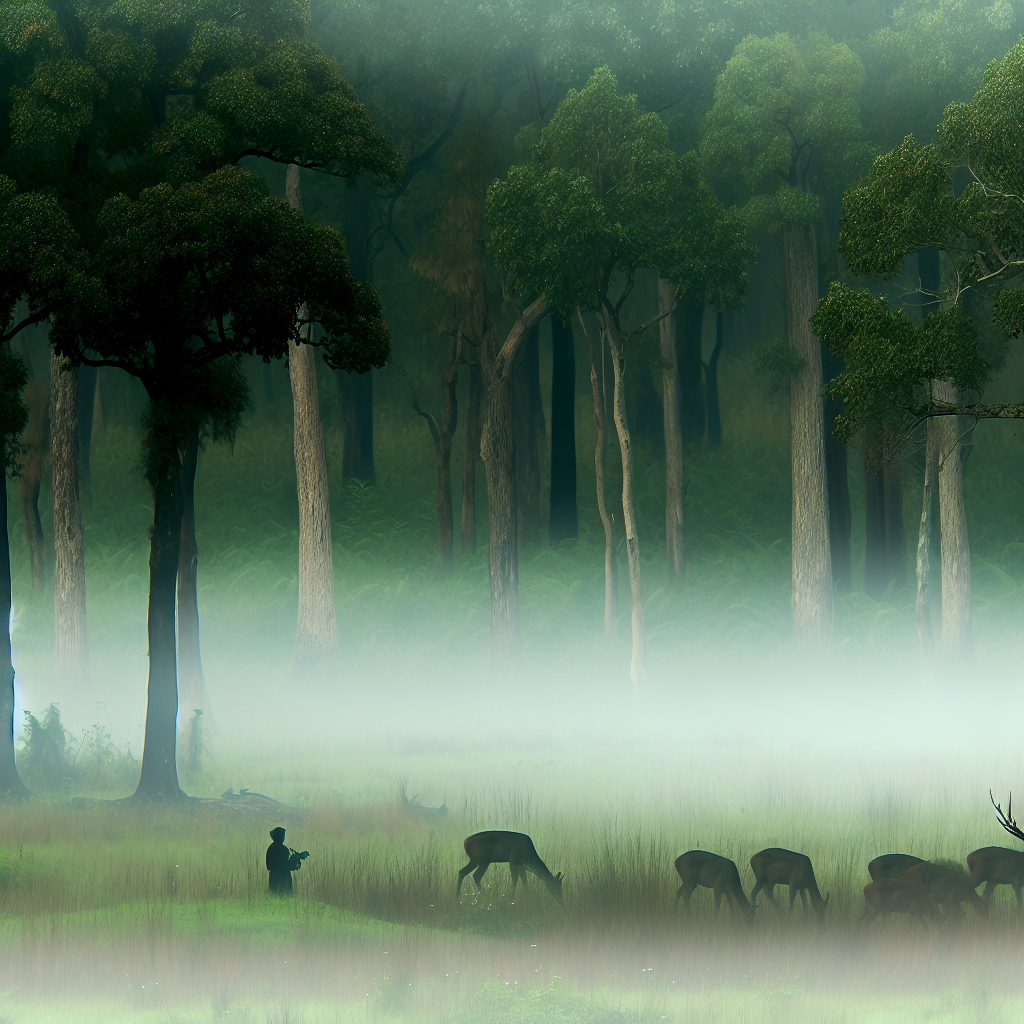
Deer & Elk
White-tailed deer, mule deer, and elk are common in forested and meadow areas. Most active at dawn and dusk, they're often seen grazing in open areas.
Viewing Tips
Maintain 25+ meters distance. Move slowly and quietly. During rutting season (fall), bulls can be aggressive.
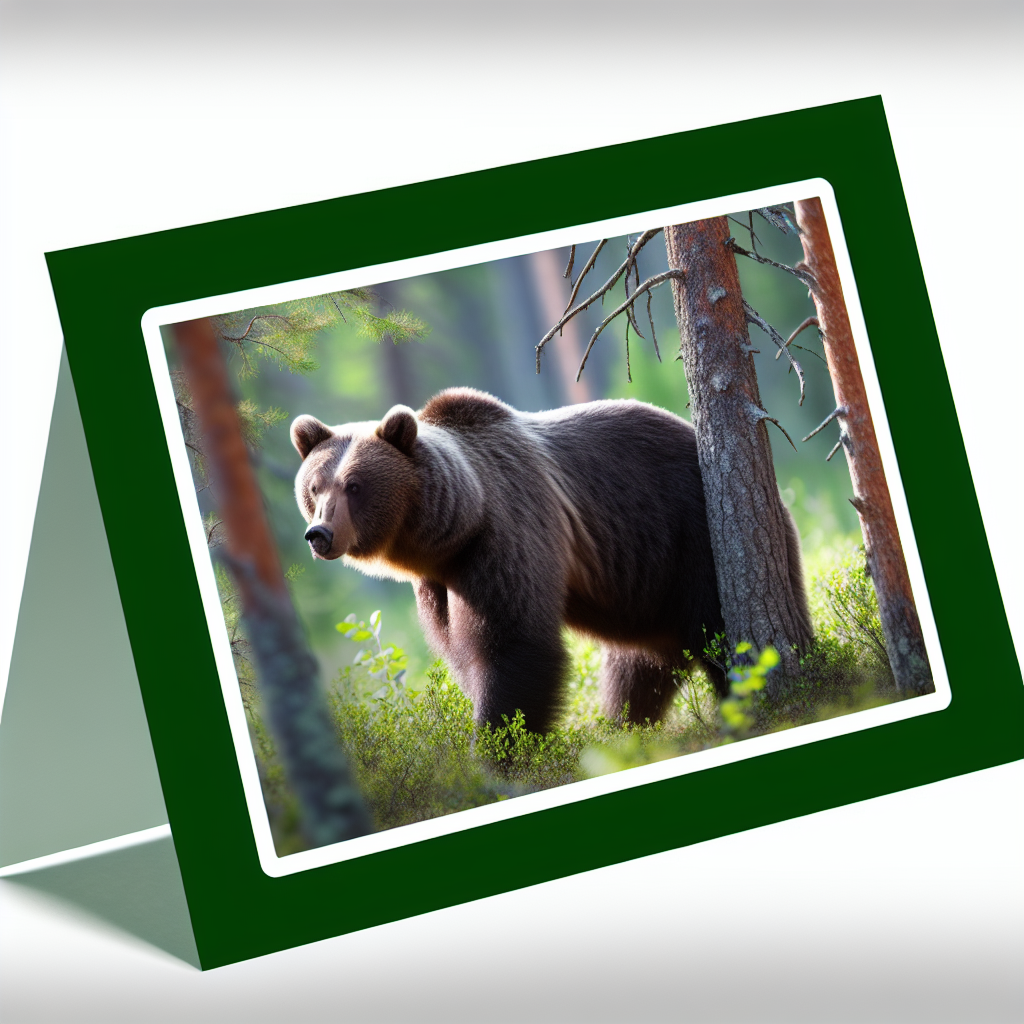
Black Bears
Common throughout North American forests. Generally shy and avoid humans, but attracted to food sources. Most active spring through fall.
Safety Tips
Store food properly. Make noise while hiking. Never approach or feed. Carry bear spray in bear country.

Birds of Prey
Eagles, hawks, and owls soar over forests and mountains. Best spotted from viewpoints and near water bodies where they hunt for fish.
Viewing Tips
Bring binoculars. Look up during thermals (mid-morning). Near water for bald eagles. Avoid disturbing nests.

Moose
Largest members of the deer family, found near wetlands and lakes. Despite their calm appearance, they can be dangerous when startled.
Safety Tips
Keep 50+ meters distance. Never approach calves. If charging, get behind a tree. They're faster than they look!

Butterflies & Pollinators
Wildflower meadows come alive with monarchs, swallowtails, and countless bee species. Peak viewing in summer months.
Viewing Tips
Visit wildflower meadows mid-morning. Sit still and let them come to you. Avoid insect repellent when butterfly watching.
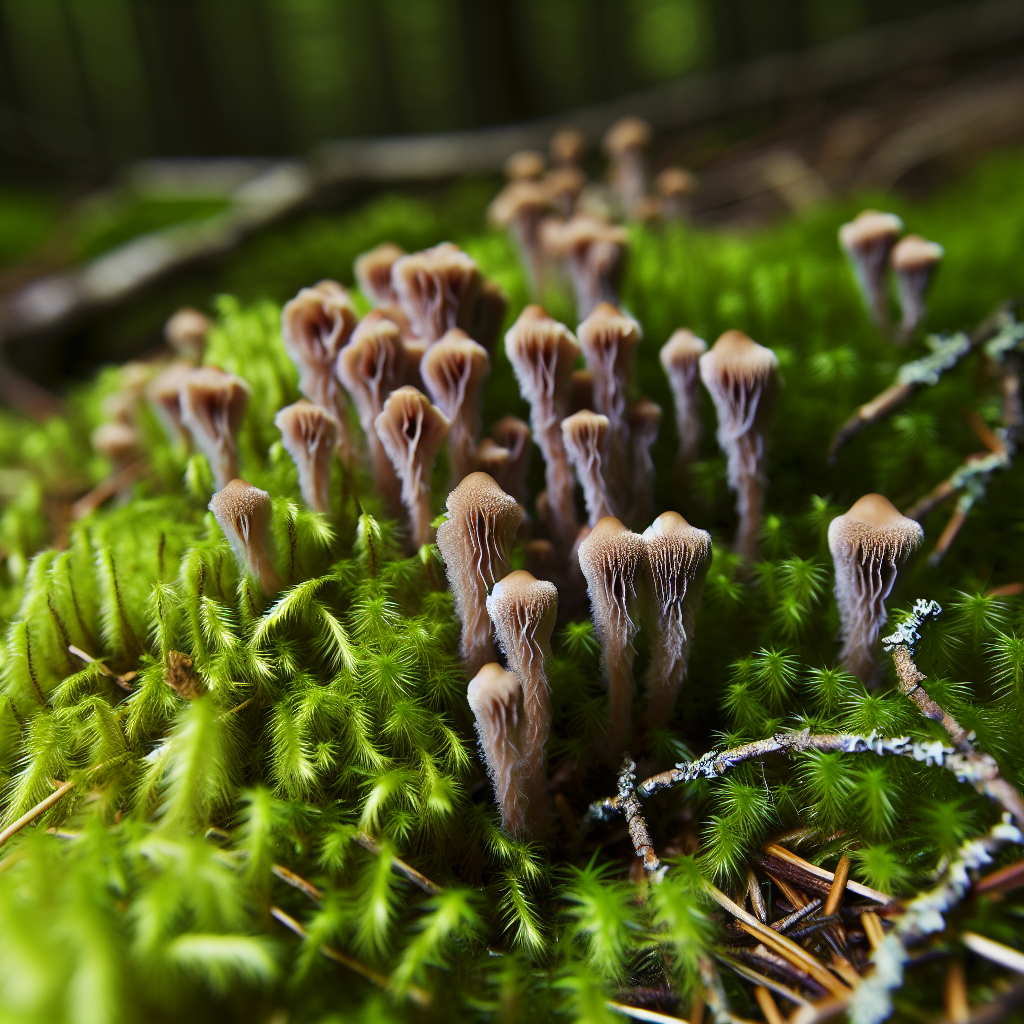
Small Forest Creatures
Squirrels, chipmunks, marmots, and pika inhabit our forests and alpine areas. Entertaining to watch but should never be fed.
Viewing Tips
Sit quietly near rocky areas or trees. Early morning best. Never feed them - it changes their natural behavior.